Basic Dentistry And Preventative Dental Care
- Consultations
- Diagnostic procedures
- Scale and polish (cleaning)
- Restorations (tooth-coloured fillings)
- Extractions including certain types of wisdom teeth
- Fissure sealants

Initial Oral Examination
Restorative
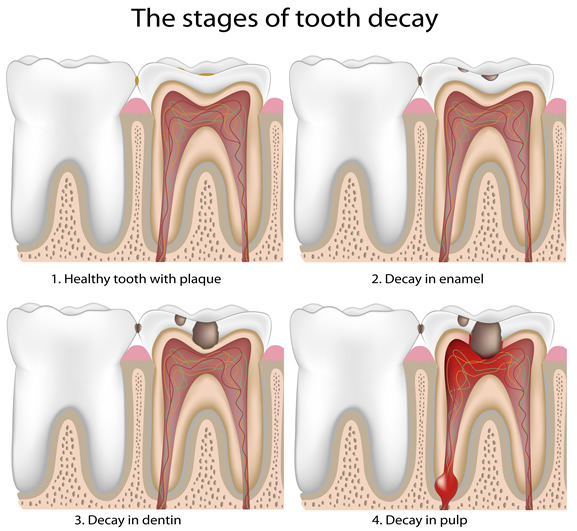
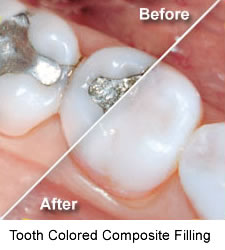
Over time a tooth surface such as enamel and dentine may become decayed or damaged. Fillings(restorations) are used to fill the cavity and repair the tooth. There are many different types of filling materials that can be used but the two main types are composites and amalgams.
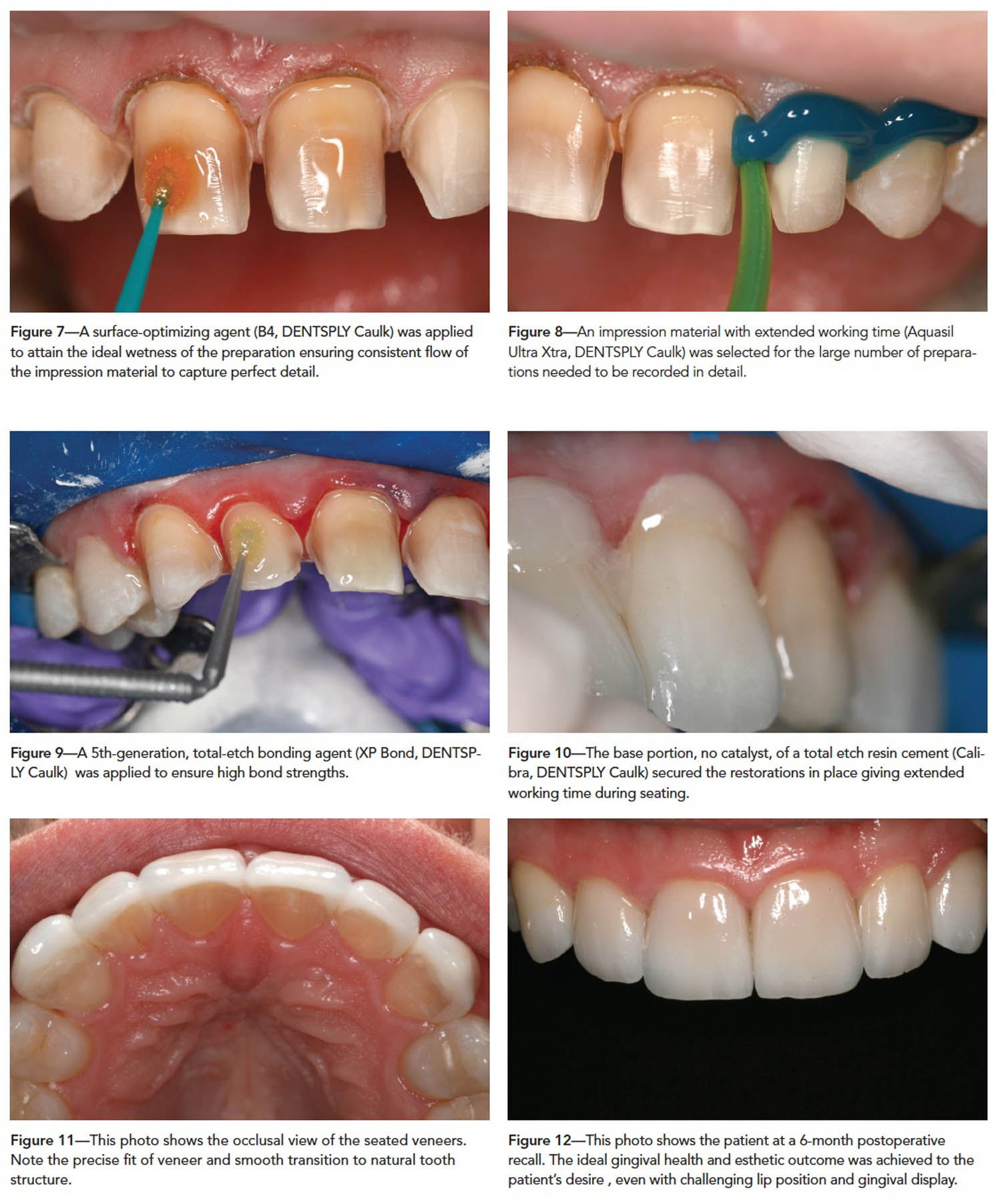
Composite fillings are strong, but not as hard wearing as amalgam fillings. Composites are tooth coloured and are made from powdered glass quartz, silica or other ceramic particles added to a resin base. The tooth is usually cleaned out or adjusted before a filling is bonded onto the tooth. The dentist and you, will choose a shade to match your own teeth, although over time staining can happen.
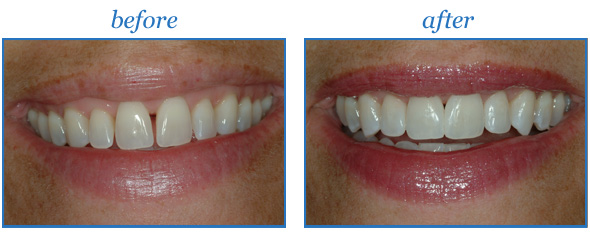
These are perfect for teeth that need to be restored and are in the ‘smile-line’ where there is a higher need for aesthetics.
Amalgam fillings are silver coloured and very strong. They are made up of mercury and a silver alloy (50% mercury, 35% silver, and 15% tin, copper and other metals). Amalgam is long lasting and hard wearing and may last for 15 to 20 years. Amalgams have been used for fillings for at least 150 years and were used before the invention of composite materials.
Once again the dentist has to remove the decay and prepare the tooth area prior to placing the amalgam filling. Amalgam fillings are used on the back ‘chewing’ teeth.
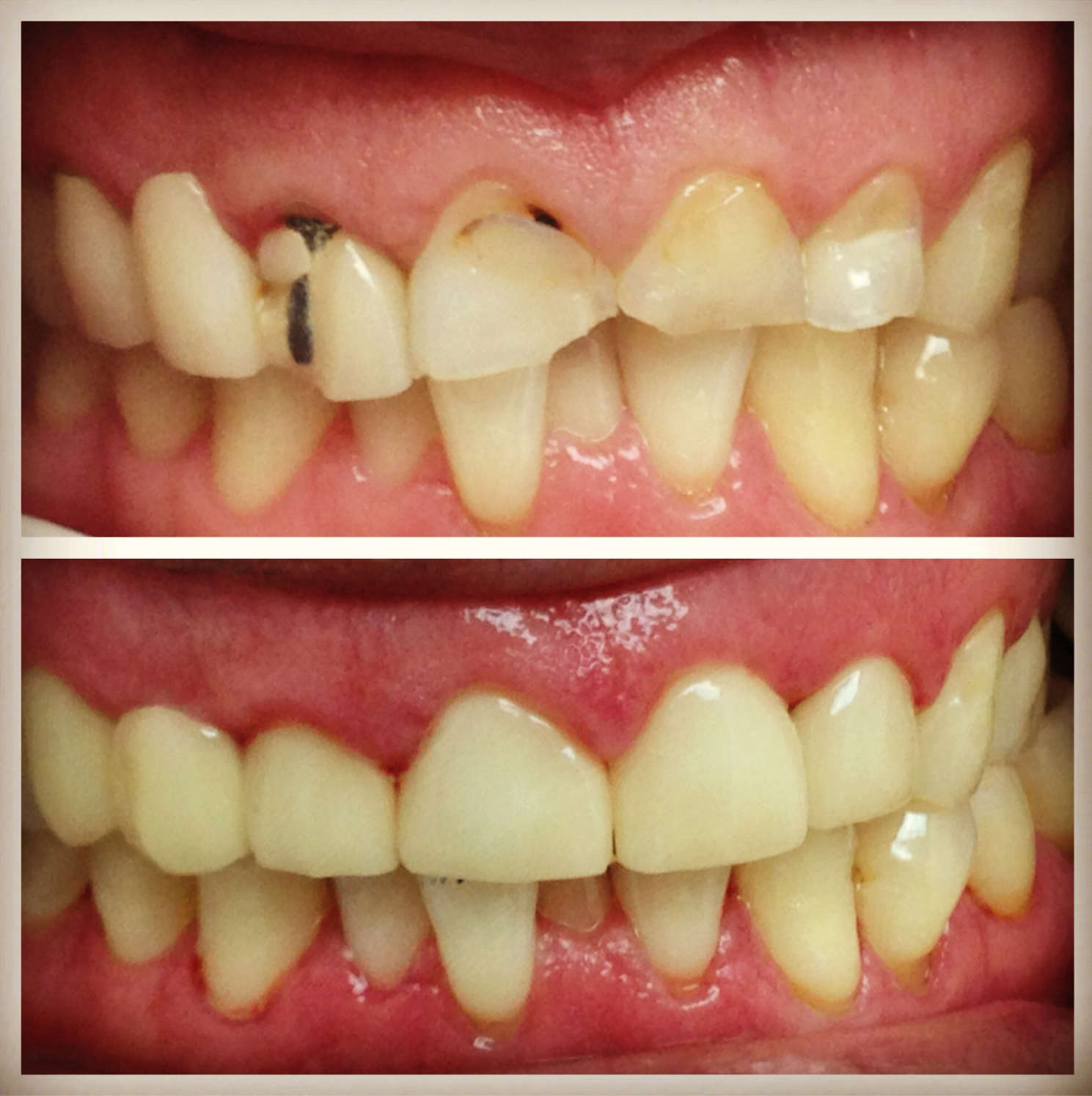
If the tooth is badly broken, your dentist may need to place a small stainless steel pin to help secure the filling or will tell you if a crown is required instead of a filling.
Your dentist will advise you on what kind of filling material is suited to your situation. Talk to them if you would like a particular type of filling material such as tooth-coloured fillings.
Restorations
You can have stronger, more attractive teeth through cosmetic dentistry with tooth-coloured fillings. New generation composites have the look and feel of a natural tooth and can be matched to the exact shade of your natural teeth. It also enables the dentists to preserve more of your healthy tooth. Traditional amalgam fillings require that portion of healthy tooth be removed, while composites, only requires removal of the damaged tooth structure.
Instead of simply filling your tooth, Composites creates a permanent bond that reinforces your tooth from all angles. It also is more wear-resistant than a variety of other filling materials.

Fluoride
Preventing Tooth Decay
The main cause of tooth decay is not the amount of sugar or acid in the diet, but how often it is consumed in liquid or solid form. Constant snacking and sipping food and drinks high in sugar and acid puts you at higher risk of tooth decay. Try having sugary and acidic foods at mealtimes ONLY! Avoid snacks before bedtime and sticky foods like toffees and gums.
An easy, safe and painless way of protecting your teeth from decay is to have sealants placed on your back teeth. A sealant is a protective plastic coating applied into the grooves of the back teeth to create a barrier that prevents food and bacteria accumulating in the fissures and causing tooth decay.
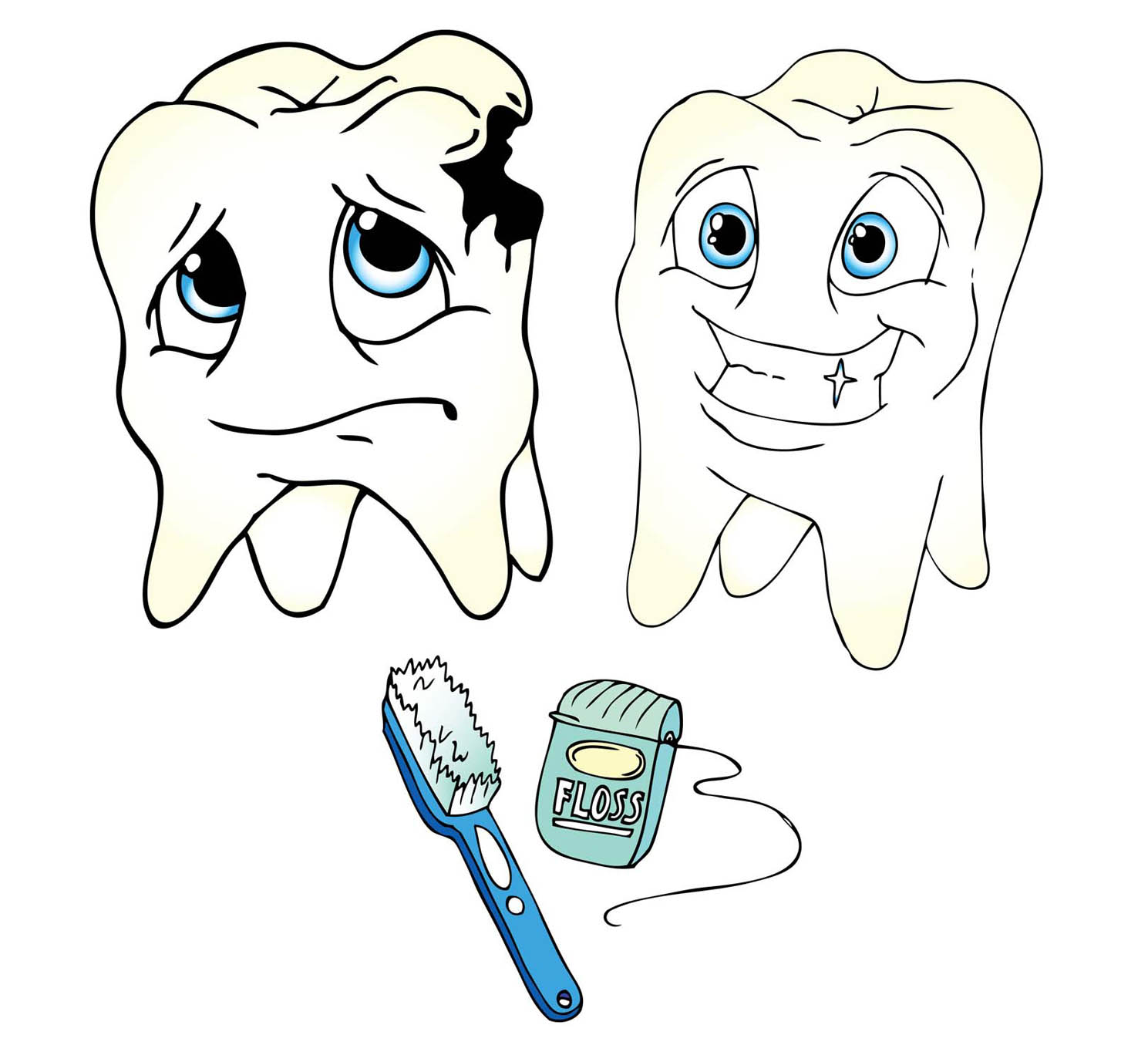

Oral Hygiene
- The last thing before you go to sleep should be to brush your teeth and at least one other time during the day, with a fluoride toothpaste
- Flossing must be done at least one per day to ensure areas between the teeth are cleaned
- Good eating habits – eating healthy and having sugary foods and drinks less often.
- Visit your dentist one every six months for regular dental check-ups.
Gum Disease And Bleeding Gums
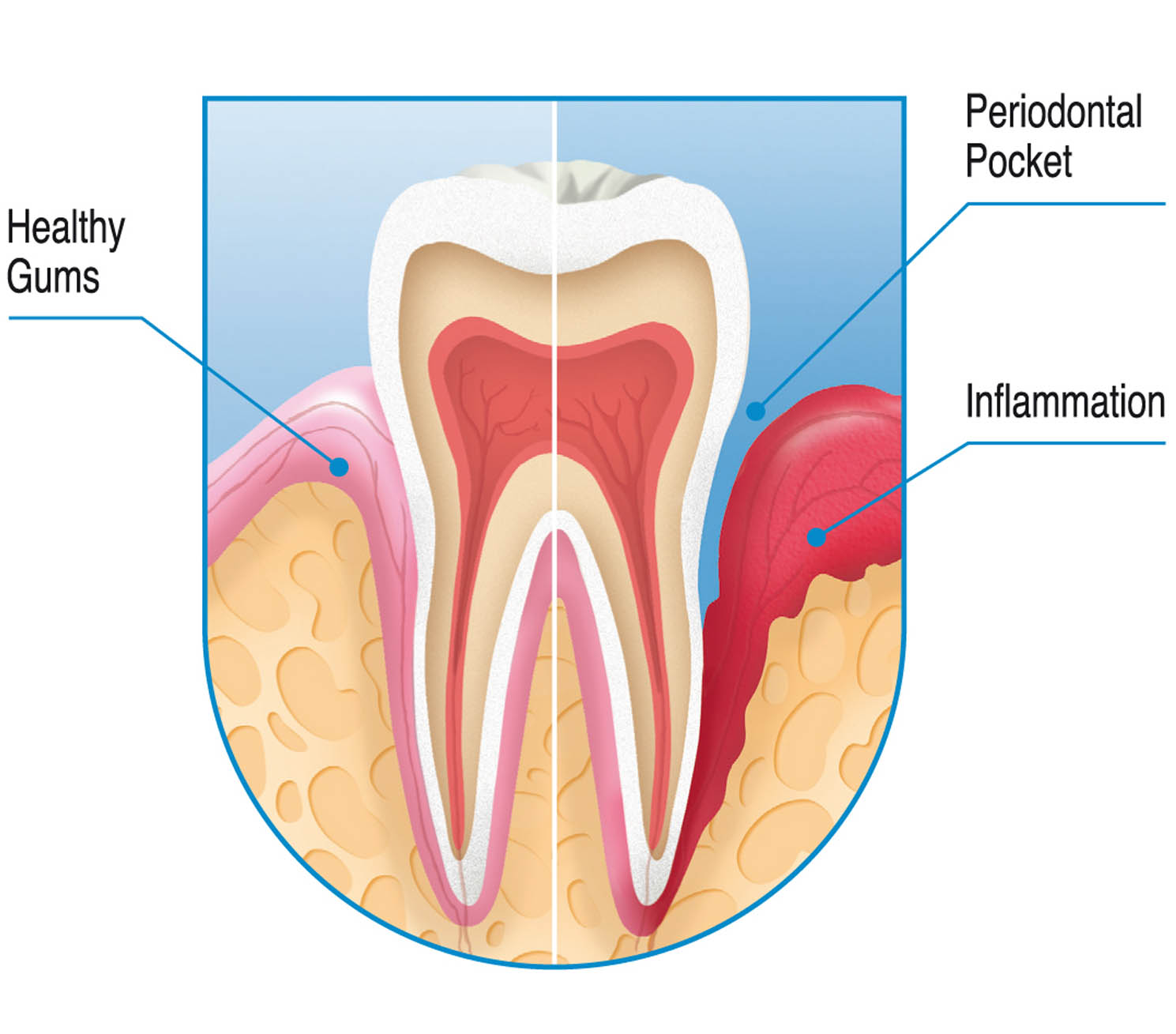
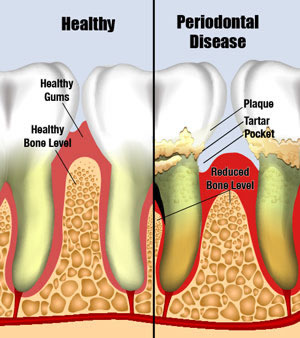
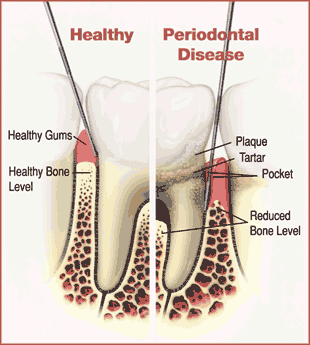
Gum disease is generally painless in the beginning, although it damages the bone supporting the teeth. Gum disease (gingivitis) will usually show signs such as red, swollen gums that bleed when you brush or clean between your teeth. You may also find that you have bad breath. Many people become worried when they notice their gums are bleeding and then avoid certain areas or brush very gently at those sites. This will only make the situation worse, and will lead to a more severe form known as periodontitis, hence it is important that you continue to clean regularly and thoroughly if you are to fight gum disease.
It is possible for your gums to bleed or be sore for the first few days that you clean between your teeth. However, this should not stop you from flossing as it will slowly get better and bleeding will stop altogether. This should stop once the plaque is broken up and the health of your mouth has improved. Consult your dentist if you have a problem with bleeding gums, so they are able to help you and advise you further on how to take care of your teeth and gums.